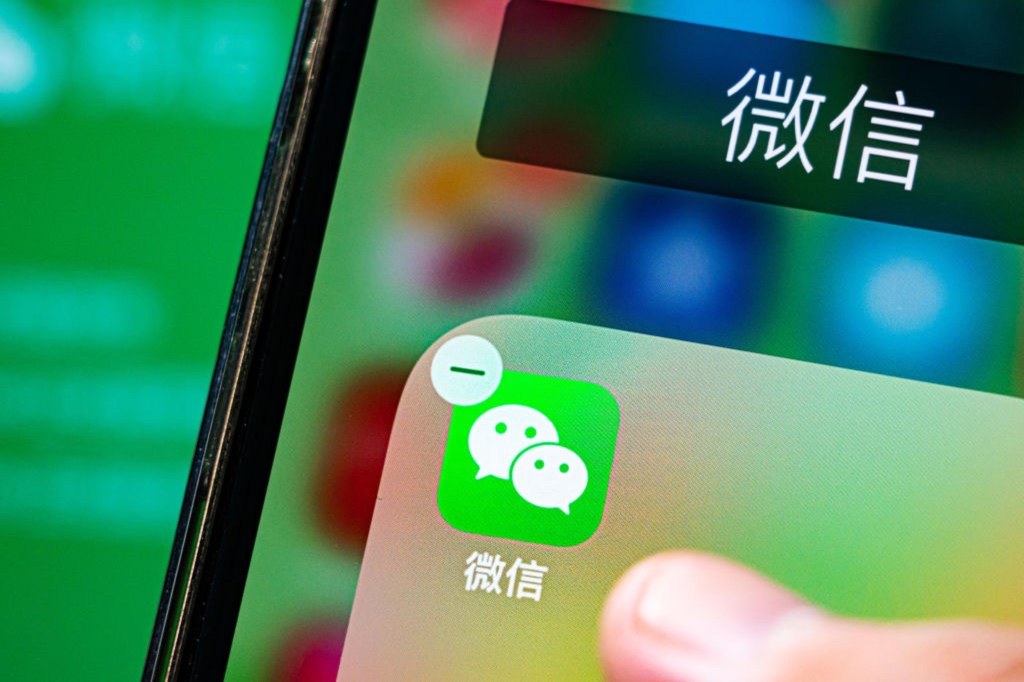
How many times do you pick up your phone in one day without even thinking about it? Maybe you are checking a message, scrolling through social media, reading the news, ordering food, shopping, or paying a bill. Most of us probably switch between several apps to do all of those things. But what if one app could do almost everything?
That is what stood out to me about Weixin, also known internationally as WeChat. Weixin did not become successful simply because it was another social media platform. It became successful because it understood its audience and found ways to become part of their everyday lives.
More Than Just Another Social Media App
When Weixin was introduced in China in 2011, it targeted young, urban smartphone users. Instead of offering only messaging or social networking, the platform created an all-in-one experience. Users could send messages, share pictures, read the news, shop, make payments, and even find transportation without constantly moving between different apps (Mahoney & Tang, 2016).
I think this is where Weixin got something very right: people value convenience.
We already have endless choices online. Sometimes having more choices does not make life easier, it makes it more overwhelming. Mahoney and Tang (2016) discuss the idea of reducing “search costs,” meaning that when people can find everything they need in one place, they have less reason to search somewhere else. Weixin recognized this and created an experience that encouraged users to stay within the platform.
And really, isn’t that what every social media platform wants? Not just our attention for a few seconds, but a place in our everyday routine.
Make It Easy, and People Will Come Back
Another part of Weixin’s strategy that stood out to me was its simplicity. The platform was designed around how people actually used their phones.
For example, instead of requiring users to type Chinese characters to send a message, Weixin allowed them to hold down a button and record their voice. Users could also read news, shop, and access other services without leaving the app (Mahoney & Tang, 2016).
These may seem like small details, but they matter.
If something is frustrating or takes too many steps, most of us lose interest pretty quickly. Weixin removed many of those barriers. The easier the platform became to use, the more confident people became using it. Eventually, opening Weixin was not necessarily something users had to think about. It became a habit.
That is a powerful form of influence.
When Technology Meets Tradition
My favorite part of this case study is Weixin’s Red Envelope campaign because it shows that understanding an audience is about more than demographics.
During Chinese New Year, giving red envelopes containing money to family and friends is an important cultural tradition. Instead of trying to create an entirely new behavior, Weixin brought an existing tradition into the digital world. Users could send virtual red envelopes through the app, and money could even be randomly divided among a group of friends, adding excitement and anticipation to the experience (Mahoney & Tang, 2016).
The response was huge. Nearly five million people participated, sending approximately 20 million virtual red envelopes (Mahoney & Tang, 2016).
What I find so influential about this strategy is that Weixin did not try to change what mattered to people. It changed how they could experience it.
There is a big difference.
Becoming Part of Real Life
Weixin took the same approach when it introduced Didi Taxi, allowing users to reserve and pay for taxis directly through the platform. Millions of people eventually used the service (Mahoney & Tang, 2016).
At that point, Weixin was no longer something people opened only when they wanted to socialize. It had become useful when they needed transportation, wanted to make a purchase, needed information, or wanted to connect with someone.
That is where I think the real brilliance of Weixin’s strategy lies.
The platform did not continuously ask its audience for attention. It gave people reasons to return.
So, What Can We Learn From Weixin?
The biggest lesson I took from this case study is that successful social media is not always about being louder, posting more often, or chasing the newest trend. Sometimes the most influential strategy is simply understanding people well enough to make their lives a little easier.
Mahoney and Tang (2016) explain that when a social media product becomes part of someone’s daily routine, influencing behavior becomes easier. Weixin accomplished this by combining convenience, culture, simplicity, and usefulness into one experience.
For anyone creating a social media campaign today, I think there is an important question worth asking:
Are we creating something we want our audience to see, or are we creating something our audience will actually want to use?
Weixin shows us that knowing your audience is more than knowing who they are. It means understanding their habits, their needs, their culture, and what matters to them.
Because the strongest social media strategy may not be the one that gets someone’s attention once.
It is the one that gives them a reason to come back tomorrow.
Reference
Mahoney, L. M., & Tang, T. (2016). Strategic social media: From marketing to social change. Wiley.

Follow The Viropana Collective on X: https://x.com/ViropanaCo


Leave a Reply