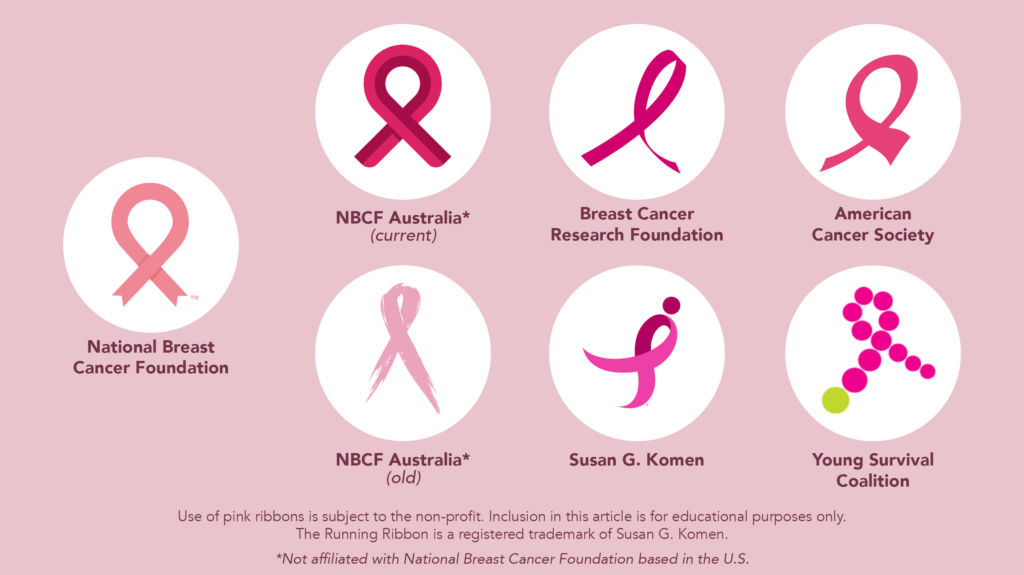

Every October, pink seems to appear everywhere. Pink ribbons, pink products, social media posts, fundraisers, and campaigns all remind us that it is Breast Cancer Awareness Month. There is no question that social media has helped causes like breast cancer awareness reach enormous audiences. But there is another question worth asking: What happens after we get someone’s attention?
Social media makes supporting a cause incredibly easy. We can like a post, share a hashtag, change a profile picture, or participate in a viral trend in a matter of seconds. That ability to bring people together around a cause is one of the most powerful things about social media. At the same time, clicking “share” can sometimes feel like the action itself, even when the cause needs much more.
When Awareness Becomes a Trend
One example came from a Facebook trend that asked women to privately message each other and then post the color of their bra as their status. The posts simply said things like “black” or “red,” leaving everyone who was not in on the message wondering what was happening. Other versions asked women to post where they liked to put their purse or share numbers followed by the word “inches.” The mystery, humor, and suggestive nature of these posts helped them spread quickly across Facebook (Mahoney & Tang, 2016).
And from a social media perspective, it worked.
People participated. People talked about it. The message spread.
But did people actually learn more about breast cancer?
That is where things get complicated.
Going Viral Is Not the Same as Making an Impact
There is something appealing about being able to support a cause without asking much of ourselves. Sharing a post takes seconds, and it can still make us feel connected to something meaningful. This type of cyberactivism can be great for visibility, but visibility alone does not necessarily create change.
The breast cancer memes demonstrated how quickly people can rally around a cause online, but many of the posts did not provide information about prevention, screening, treatment, donations, or other ways to take meaningful action. In other words, people knew they were participating in something related to breast cancer, but they were not necessarily learning what they could do to help.
Another issue is inclusivity. Breast cancer is often represented almost entirely through pink campaigns targeted toward women, but men can also develop breast cancer. Susan G. Komen recognizes male breast cancer as an important part of breast cancer education and awareness (Susan G. Komen, n.d.). If the goal is truly awareness, the message should reach everyone who could benefit from the information.
Give People Something to Do
This is where I think social media campaigns can become much more powerful.
Imagine seeing a viral breast cancer post and, instead of the message ending there, it gives you somewhere to go next. Maybe there is a link to learn about screening. Maybe you can donate to help someone access treatment. Maybe there is information about volunteering, supporting a local organization, or helping someone going through chemotherapy.
Now the post has done more than get your attention. It has given you an opportunity to act.
That does not mean awareness campaigns are useless. Awareness matters. Social media can introduce people to causes they may have never encountered otherwise and create communities around shared experiences. But when people are already paying attention, organizations have an opportunity to turn that attention into something bigger.
Beyond the Pink
The breast cancer meme case is a great example of both the power and limitations of social media activism. A message can travel across thousands of screens in a matter of hours, but reach should not be confused with impact.
The real opportunity comes after someone stops scrolling.
Give them information. Give them resources. Give them a way to participate that extends beyond a like, share, or viral status.
Because awareness may start the conversation, but action is what moves the cause forward.
References
Mahoney, L. M., & Tang, T. (2016). Strategic social media: From marketing to social change. Wiley-Blackwell.
Susan G. Komen. (n.d.). Breast cancer in men.
Stay Connected to The Viropana Collective


Leave a Reply